
ABOUT THE AUTHOR
Tera (Li Chun-yi) graduated from the Faculty of Arts at the University of Hong Kong, majoring in Translation Studies and Comparative Literature — a foundation that honed her sensitivity to bilingual transfer and cultural meaning. She went on to gain hands-on experience at advertising agencies and publishing houses, and four years ago founded her own translation and copywriting studio, turning a passion for language into precise, vivid work that builds bridges of communication.
A defining turn in her career was being invited to serve as reviser for the Chinese edition of First Confession (《末代港督的告解》), an experience that brought home to her the pivotal role of translation in historical memory and identity — and the need to balance the grand narrative against personal feeling. Twelve years of academic training, professional practice and entrepreneurship have shaped her distinctive way of reading the city. Through the eyes of a translator and the heart of a copywriter, this book leads readers to decode the stories hidden within Hong Kong’s countless translated names — small “micro cultural sites” of translation craft, historical dialogue and identity.
ABOUT THE BOOK
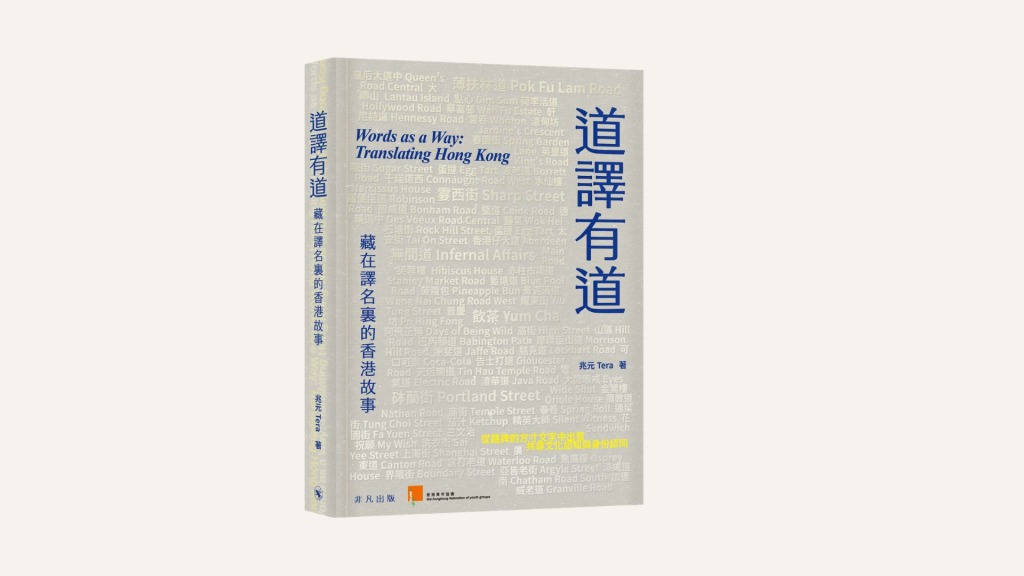
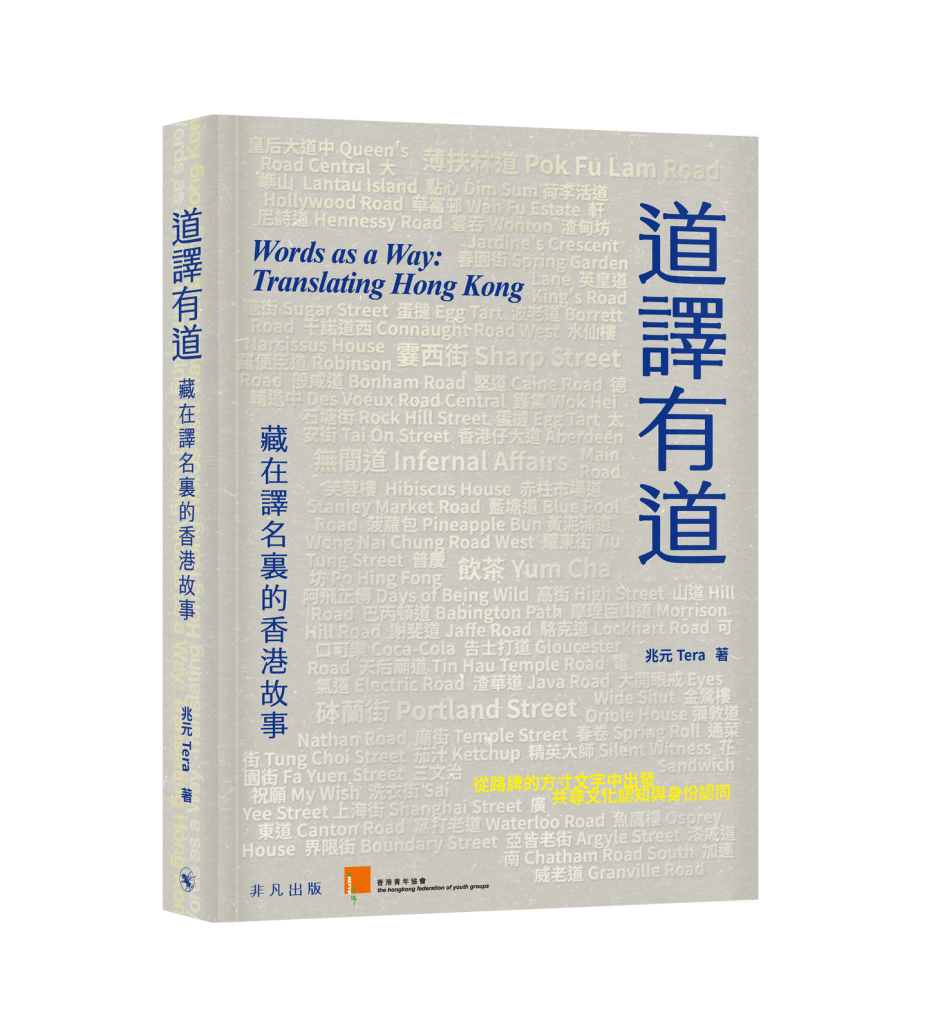
The everyday bilingual names of streets, buildings and foods are linguistic fossils; through a translator’s eye, they reveal Hong Kong’s story anew.
Since the city’s founding more than a century ago, East and West have mingled here, and nearly every name — of streets, buildings, institutions and objects, alongside all manner of official and everyday texts — has had to pass between Chinese and English. These translated names are the “linguistic fossils” of our urban fabric, bearing witness to cultural exchange and refracting the collisions of sound, ethnicity and social consciousness.
Writing from a translator’s perspective, the book focuses on the bilingual (and multilingual) names woven through daily life, unlocking the cultural logic, translation strategies and expressions of identity behind each act of linguistic conversion. It invites readers to wander between pragmatics and translation theory, and to see how a “translated name” becomes an invisible arena where culture and authority quietly contend.